

Underestimating Packing Time? You’re Not Alone
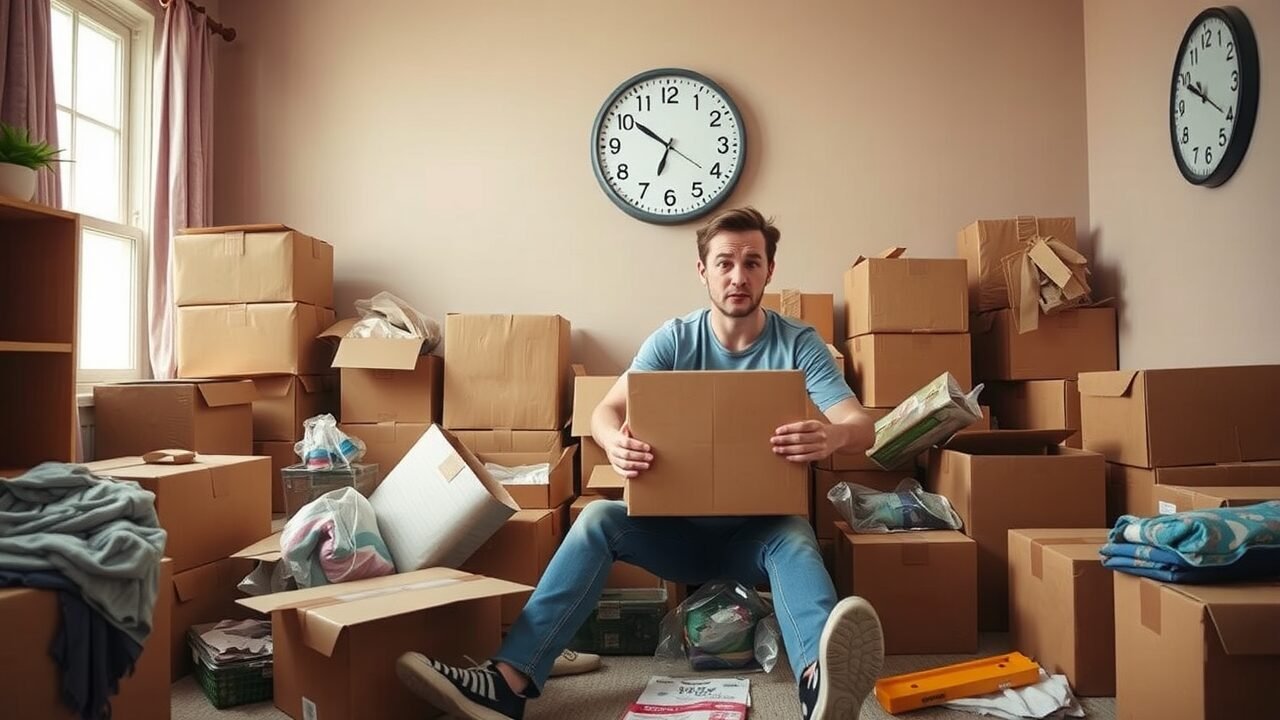
Anyone who has ever moved knows that packing takes longer than expected. What starts as “just a few boxes” quickly turns into days of sorting, wrapping, and labeling. If you’re feeling behind on your packing schedule, you’re far from alone. Most people misjudge how much time, energy, and organization a successful move requires — and that miscalculation can lead to stress, damaged items, or last-minute chaos.
Why People Underestimate Packing Time
One of the biggest reasons is optimism. People assume that packing will go faster because they forget how many things they actually own. Closets, basements, and kitchen cabinets hold far more than we realize. Another reason is that packing seems simple on the surface — just put items in boxes — but in reality, it involves planning, cleaning, sorting, and protecting fragile possessions.
There’s also the emotional factor. Packing up a home often triggers memories, slowing down the process as you decide what to keep or throw away. The more sentimental items you have, the longer it will take to finish.
The Hidden Tasks That Steal Time
Packing isn’t only about boxes and tape. It’s the dozens of small, time-consuming tasks that catch people off guard:
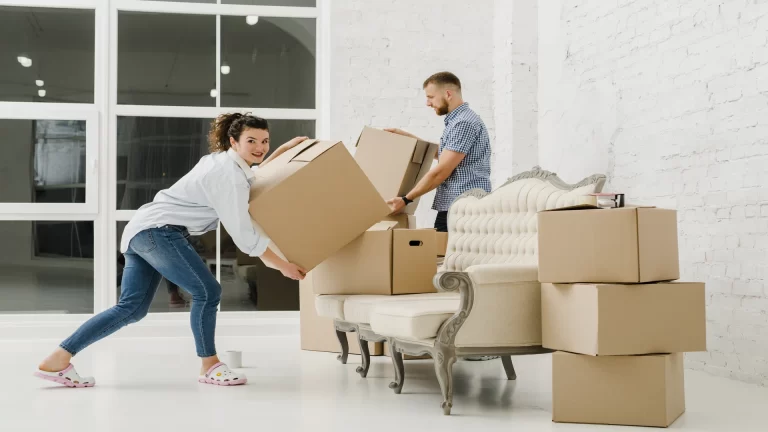
- Disassembling furniture and wrapping it safely
- Cleaning each room before leaving
- Labeling and organizing boxes by destination room
- Gathering specialty supplies for fragile items
- Taking photos of electronics before unplugging them
Each step may seem minor, but together they can double your packing time.
How to Plan Realistically
If your move is in two weeks, you should already be packing. Professionals recommend starting at least a month before moving day — even for small apartments. Here’s a practical breakdown:
- Four weeks out: Begin with storage spaces like basements, garages, and closets.
- Three weeks out: Pack items you rarely use — seasonal clothes, décor, and books.
- Two weeks out: Move to kitchenware, linens, and small appliances.
- One week out: Pack daily essentials last, leaving a “first-day” box with toiletries, snacks, and chargers.
When you approach packing in phases, you stay in control and reduce the chance of last-minute stress.
How Movers Can Help
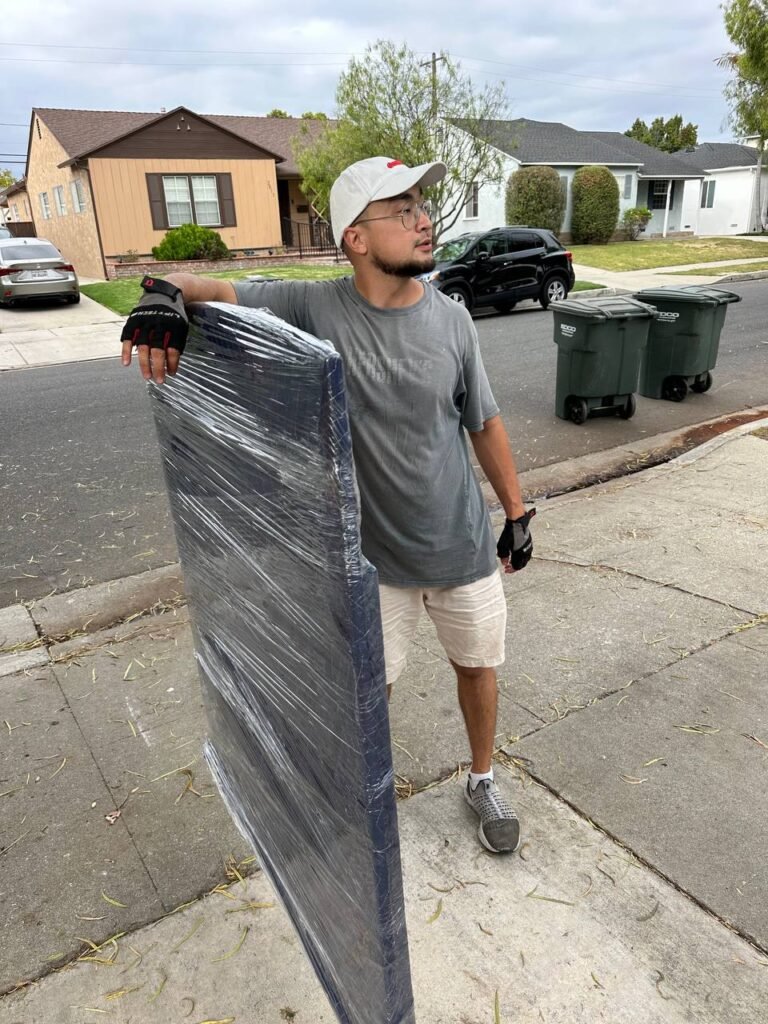
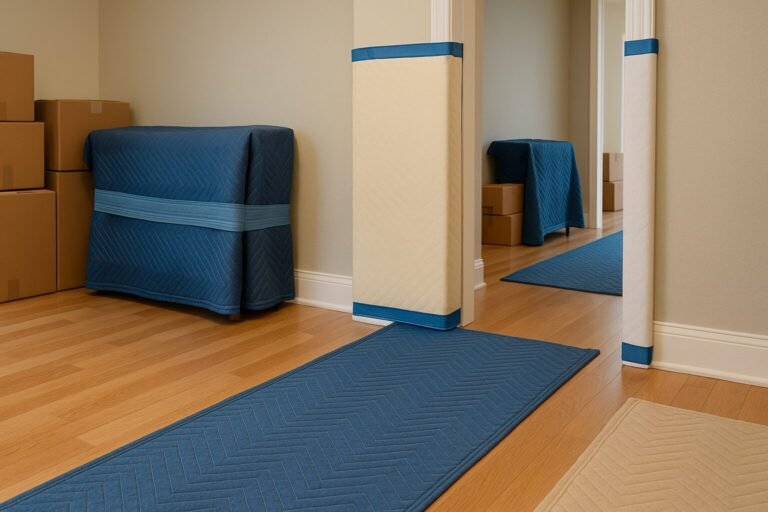
Hiring professional movers isn’t just about transportation — many also offer packing services. Experts bring the right materials, pack efficiently, and protect your belongings better than rushed DIY packing. Companies like Comfy Moving handle everything from fragile items to bulky furniture, ensuring your possessions arrive safely and on schedule.
A professional team can pack an entire home in a day or two, while it might take the average person a week or more. That time saved can be used to finalize paperwork, clean your old home, or focus on your family’s transition.
The Real Cost of Procrastination
When you delay packing, you’re more likely to make mistakes:
- Forgetting to label boxes properly
- Overfilling boxes, causing them to break
- Skipping protective wrapping on fragile items
- Packing important documents too early or too late
These errors lead to lost or damaged belongings — and more stress on moving day. Packing early doesn’t just save time; it protects your valuables.
Simple Tricks to Stay on Track
Even if you’re short on time, you can speed things up with strategy:
- Pack one room per day instead of multitasking.
- Use sturdy boxes of similar sizes for easier stacking.
- Label boxes clearly on multiple sides.
- Donate or discard items before you pack them.
- Keep essentials in a separate suitcase for easy access.
Breaking the process into smaller goals keeps momentum steady and prevents burnout.
Final Thoughts
Underestimating packing time is one of the most common moving mistakes — but also one of the easiest to fix. Start early, plan realistically, and don’t hesitate to ask for help from professionals. Whether you’re moving across town or across the state, a little foresight will save you time, money, and peace of mind.