

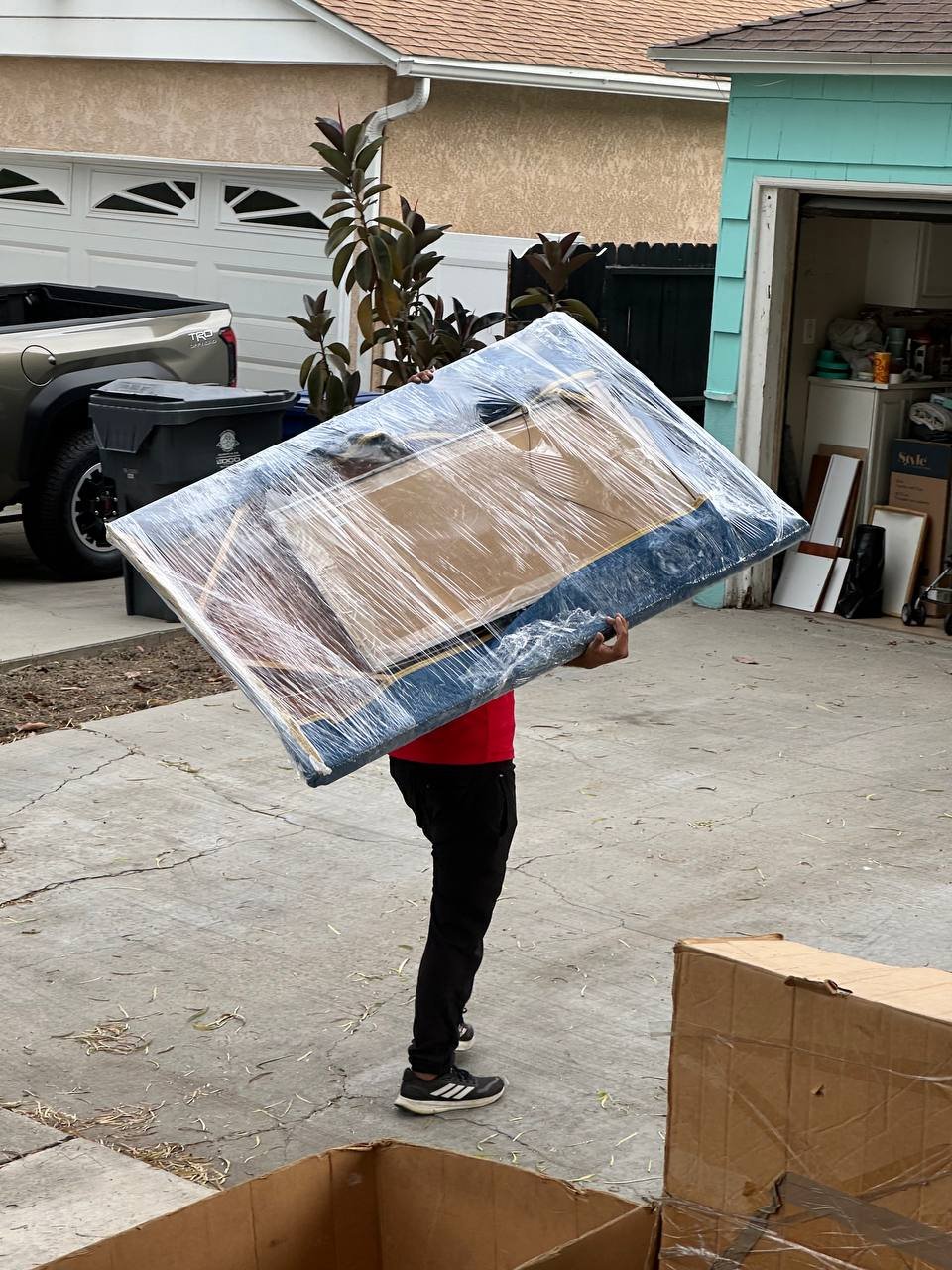
How to Prepare Your Apartment for Moving Day to Make Everything Go Faster
Moving day can be stressful, chaotic, and exhausting. But with proper preparation, you can transform it into a smooth, efficient operation that saves you time, money, and headaches. The key is to do the groundwork before the movers arrive or before you start loading that rental truck. Here’s your comprehensive guide to preparing your apartment so everything moves faster when the big day comes.
Start Packing Early (Really Early)
The single biggest mistake people make is underestimating how long packing takes. Start at least three to four weeks before moving day. Begin with items you rarely use: seasonal decorations, books, extra linens, and kitchen gadgets you haven’t touched in months. Pack one room at a time to maintain organization and sanity.
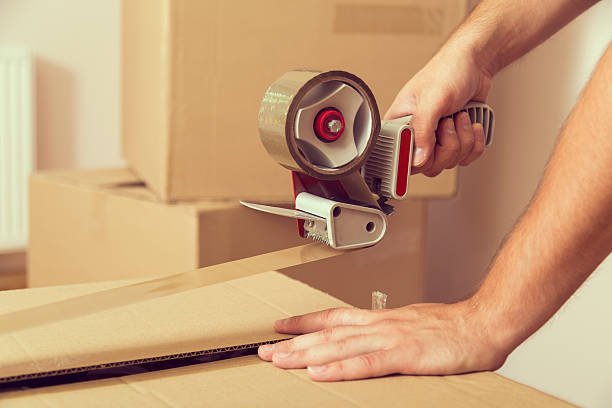
Label every box clearly on multiple sides with the room destination and a brief description of contents. Use color-coded tape or markers for different rooms. This simple system will save hours on moving day when movers or helpers need to know where everything goes. Consider creating a master inventory list, especially for valuable items.
Declutter Ruthlessly
Before you pack a single box, declutter. Moving is the perfect opportunity to shed possessions you no longer need. Go through each room and sort items into four categories: keep, donate, sell, and trash. Be honest with yourself about what you actually use and need.
Host a garage sale, list items on online marketplaces, or donate to local charities. The less you move, the faster and cheaper the process becomes. Remember, you’re paying to transport every single item, so make each one count. A good rule of thumb: if you haven’t used something in a year, you probably don’t need it.
Disassemble Furniture in Advance
Don’t wait until moving day to take apart your bed frame, dining table, or bookshelf. Disassemble large furniture pieces a day or two before the move. Keep all screws, bolts, and small parts in labeled plastic bags taped directly to the furniture piece they belong to. Take photos with your phone as you disassemble to make reassembly easier.
Remove drawers from dressers and desks to make them lighter and easier to carry. Wrap furniture components in moving blankets or bubble wrap to prevent damage during transport. If you’re using professional movers, check whether they prefer to handle disassembly themselves, as some companies include this in their service.
Create a Clear Path
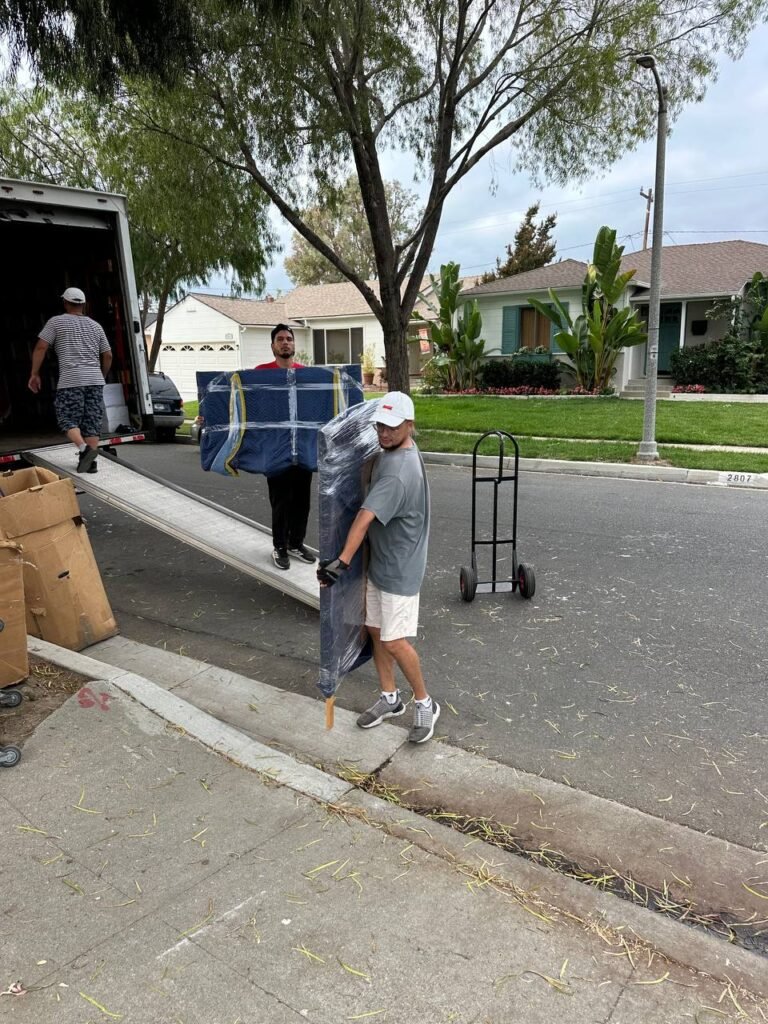
On moving day, movers need a clear, obstacle-free path from every room to the exit. Remove any tripping hazards like rugs, shoes, or decorative items from hallways and entryways. If you’re in an apartment building, check the elevator reservations and hold times. Reserve the service elevator if available.
Prop doors open securely to avoid constantly opening and closing them. Lay down protective coverings on floors if you’re concerned about scratches or dirt. In winter months, clear snow and ice from walkways. The easier you make it for people to move through your space, the faster the job will go.
Pack an Essentials Box
Prepare a clearly labeled “Open First” box or suitcase with essentials you’ll need immediately in your new place. Include toiletries, medications, phone chargers, a change of clothes, important documents, basic tools, paper towels, trash bags, and snacks. Add bed linens and towels so you can shower and sleep comfortably on your first night.
Keep this box with you during the move rather than loading it on the truck. You don’t want to spend your first evening searching through dozens of boxes for your toothbrush or phone charger. Include any valuable items, important papers, or irreplaceable possessions that you’d prefer to transport personally.
Prepare Appliances
If you’re moving appliances, prepare them properly in advance. Defrost your refrigerator at least 24 hours before moving day and clean it thoroughly. Disconnect and drain washing machines and dishwashers. Secure or remove any loose parts that could break during transport.
Coil power cords and tape them to the back of appliances. If possible, use the original packaging for electronics and appliances. If you don’t have original boxes, wrap items carefully in bubble wrap and mark them as fragile.
Coordinate Parking and Access
If you’re using a moving truck, arrange parking in advance. In cities, this might mean reserving a spot or getting a temporary parking permit. Know the building access codes, gate combinations, or parking garage procedures for both your current and new residence.
Contact your apartment management to understand any moving policies. Some buildings require insurance certificates from moving companies or have specific hours when moves are permitted. Handle these logistics ahead of time to avoid delays and complications on moving day.
Final Walkthrough Preparation
A day before the move, do a final walkthrough of your apartment. Check inside closets, cabinets, drawers, and under furniture. People often forget items in medicine cabinets, kitchen junk drawers, or high shelves. Remove everything from walls and patch any nail holes if required by your lease.
Prepare your apartment for final cleaning. Once everything is moved out, you’ll need to do a thorough cleaning to get your security deposit back. Have cleaning supplies ready and either schedule professional cleaners or plan time to do it yourself.
The Morning of Moving Day
Wake up early and do a final check. Ensure all boxes are sealed and labeled. Have your essentials box ready. If you’re providing food and drinks for helpers or movers, have these accessible but out of the way. Keep important documents, keys, and payment information in a secure, easily accessible place.
Charge your phone fully and consider bringing a portable charger. You’ll be making calls, taking photos for documentation, and coordinating logistics throughout the day. Having a dead phone during a move is a recipe for disaster.
Conclusion
Preparing your apartment for moving day is about anticipation and organization. By packing early, creating clear pathways, and handling logistics in advance, you’ll transform a potentially chaotic day into an efficient operation. Remember, every minute you invest in preparation saves multiple minutes on moving day itself. With these strategies, you’ll be unpacking in your new home before you know it, wondering why you were ever worried in the first place.