

How to Pack Shoes for Moving Without Scuffs, Creases, or Damage
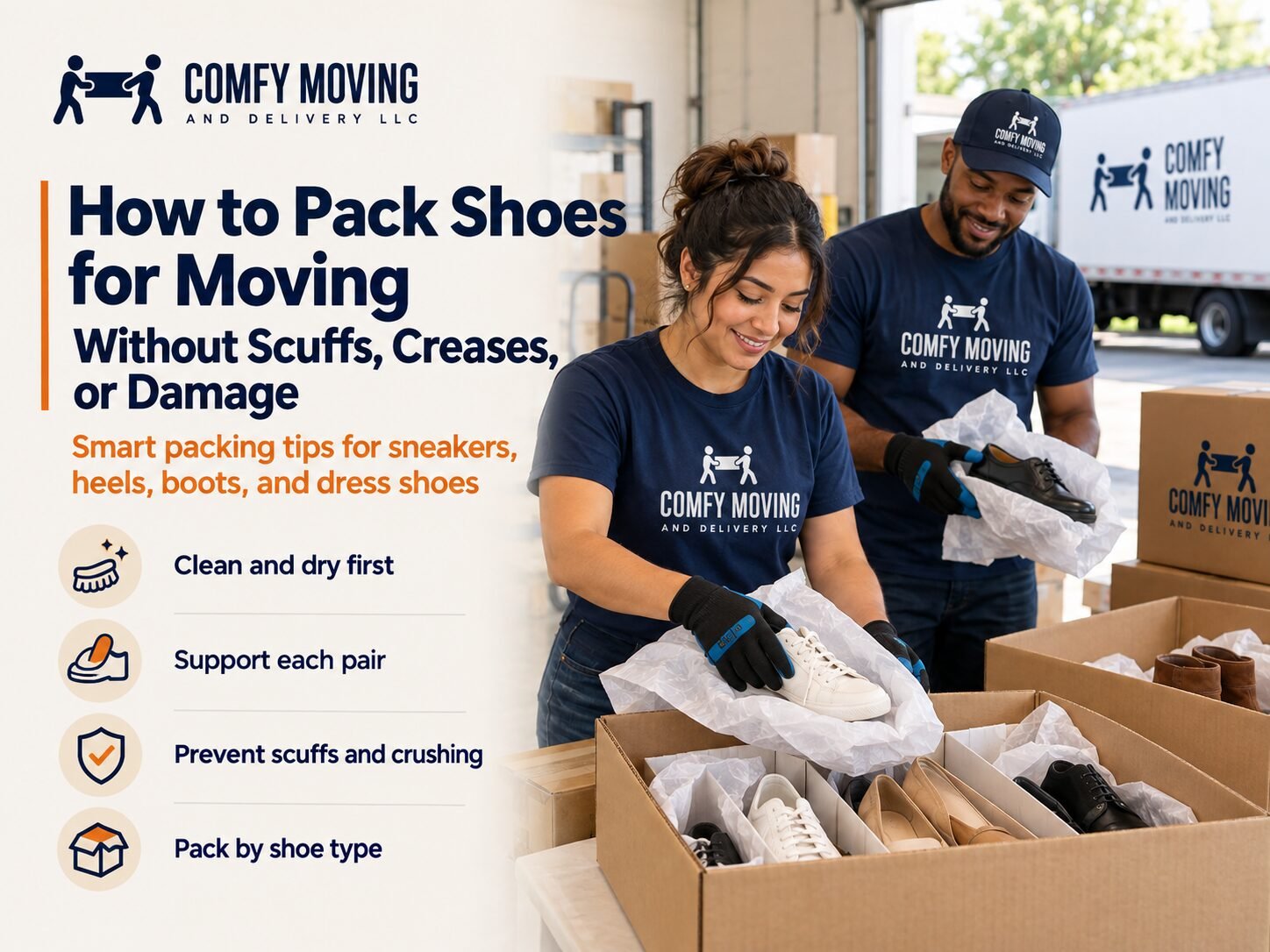
Clean and dry each pair, support its shape, prevent the uppers from rubbing, and keep heavy shoes from crushing lighter ones. You do not need a special container for every pair. Original shoe boxes, small moving boxes, clean packing paper, and a few dividers are enough for most collections.
Do the sorting several days before packing. Shoes that are still damp from cleaning can develop odors or mildew in a closed box.
Start by Sorting the Shoes You Actually Wear
Lay out every pair and separate them into four groups: pack, donate, discard, and keep available. Remove shoes that no longer fit, are worn beyond repair, or have not been used in years. Pair each shoe now so a missing mate does not become a moving-day mystery.
Set aside the footwear you will need before the boxes are opened. A practical moving-day group usually includes closed-toe shoes, a comfortable backup pair, and weather-appropriate footwear. Keep these with your personal bag, not at the bottom of the shoe box.
Clean and Dry Every Pair
Dirt transfers easily when shoes touch inside a carton. Brush soil from soles, wipe uppers with a method suitable for the material, and empty sand or gravel from the inside. Treat leather, suede, and specialty fabrics only with products intended for them.
Let the shoes dry completely in a ventilated area. Do not seal damp footwear in plastic. A small breathable odor absorber can help with everyday smells, but it cannot fix trapped moisture.
Gather Simple Packing Materials
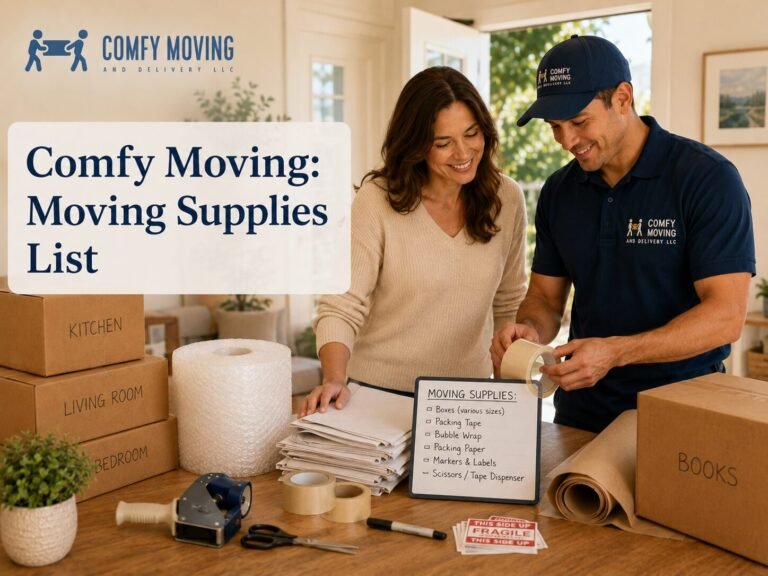
Useful supplies include:
- Original shoe boxes or small moving boxes
- Clean, ink-free packing paper
- Tissue paper for delicate surfaces
- Cardboard dividers or spare boxboard
- Socks or clean soft cloths for stuffing
- Packing tape and a marker
- Resealable bags for removable accessories, not damp shoes
Avoid newspaper against light fabric or leather because ink can transfer. Avoid overstuffing shoes with rigid material that changes their shape.
Stuff Shoes to Hold Their Shape
Loosely fill the toe and body of each shoe with clean packing paper, tissue, rolled socks, or a soft cloth. The goal is support, not pressure. Stop when the upper holds its normal form.
Boots need support through the shaft as well as the foot. Roll paper or a clean towel into the shaft without stretching it. Fasten zippers or laces lightly so the boot stays aligned.
Shoe trees can remain in structured dress shoes if they fit properly and do not add too much weight. Do not force a tree into a shoe that has not been stored with one.
Protect Each Pair From Scuffs
Place shoes heel to toe, with the soles facing away from delicate uppers. Wrap each shoe separately when the material scratches easily, then keep the pair together. Clean fabric shoe bags work well for everyday protection. Plastic bags are acceptable only for completely dry shoes and short storage, with enough ventilation to avoid trapping moisture.
Heels, buckles, studs, and metal details should not press against another shoe. Add a layer of paper around those areas or place the pair in its own box.
Pack Original Shoe Boxes Into a Larger Carton
Original boxes provide shape and stacking protection. Close each box, then place the strongest boxes at the bottom of a small or medium moving carton. Fill gaps with crumpled paper so the stack cannot slide.
Do not put a very large number of shoe boxes into one oversized carton. Shoes become heavy quickly, and a box that is difficult to lift is more likely to be dropped or split.
Pack Shoes Without Original Boxes
Line a small moving box with clean paper. Place heavier, durable pairs on the bottom in a single layer, then add a divider. Put lighter sneakers, flats, or sandals above them. Keep delicate shoes wrapped and away from dirty soles.
Fill empty spaces lightly so pairs do not shift, but do not compress the box until the sides bow. Add a final paper layer before closing it.
Label the carton “Shoes,” add the destination room, and mark it “Top Load” if it contains delicate pairs. A short inventory such as “work, running, formal” makes the right box easier to find.
How to Pack Different Types of Shoes
Sneakers
Loosen the laces, clean the soles, and stuff the toe. Everyday sneakers can share a divided carton. Wrap limited-edition or delicate pairs separately and keep original boxes when available.
Heels and Dress Shoes
Use tissue or soft paper against polished surfaces. Cover heels and buckles, support the toe, and avoid pressure on decorative details. A separate shoe box usually provides more protection.
Boots
Stuff the foot and shaft, then lay tall boots flat or place them upright in a box tall enough to prevent folding. Do not bend a structured shaft sharply to make it fit.
Sandals and Flats
Clean the soles and place pairs together in lightweight layers. Add paper between decorated straps so beads, buckles, or hardware do not snag.
Common Shoe-Packing Mistakes
Do not pack dirty or damp shoes, use an oversized box, or place heavy boots on delicate footwear. Avoid loose piles where soles rub against uppers. Do not use clothing you plan to wear immediately as dirty-shoe padding.
Do not use a trash bag as the main shoe container. Bags offer little crush protection, make pairs hard to organize, and can trap moisture.
Unpack Shoes Soon After Arrival
Open shoe cartons after the essential rooms are functional. Check for moisture, remove stuffing, and let footwear air out before placing it in a closed closet. If boxes were exposed to rain, inspect every pair rather than waiting for an odor to appear.
For help beyond shoes, Comfy Moving offers full and partial packing services. Tell the team about delicate footwear or other specialty items before the estimate so suitable materials and handling can be discussed.
Services that match this moving topic