

How Movers Protect Floors, Walls and Doorways During a Move?
Moving day can feel chaotic, but professional movers know how to turn potential mess into a safe, organized process. One of the most important parts of any move is protecting the property itself. Scratched floors, chipped walls or damaged doorframes can turn a successful relocation into an expensive problem. Experienced crews use specific materials, techniques and equipment to keep every surface safe from the impact of heavy lifting, tight corners and constant traffic. Here is how movers protect floors, walls and doorways while ensuring a smooth and damage free experience.
Floor Protection That Stops Scratches and Dirt
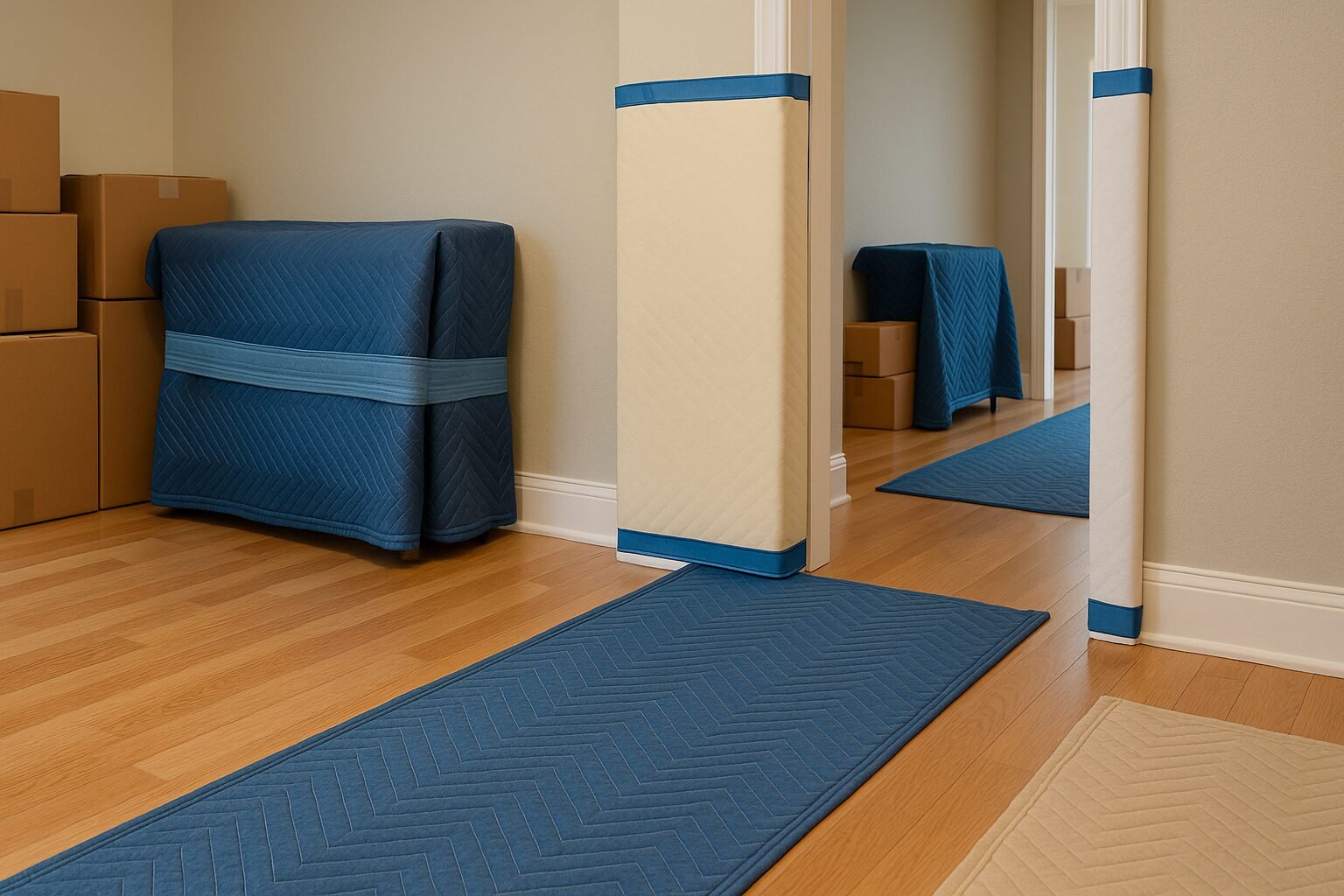
Floors are the first part of the home exposed to risk. Movers typically start by creating a clean, protective pathway from the entrance to the main moving areas. They roll out thick floor runners made from rubber, neoprene or heavy fabric that grip the surface and prevent slipping. These runners absorb pressure from dollies, hand trucks and moving boxes, acting as a buffer between the equipment and the floor.
For hardwood, laminate or tile, movers use additional padding to prevent dents and scuffs. When large or heavy furniture must be carried through narrow spaces, felt pads or gliders are placed under the legs to eliminate friction. In rainy or snowy weather, entrance mats help catch moisture so no water damages the flooring. This layered approach keeps both the surface and the movers safe.
Wall Protection During Tight Turns and Heavy Lifting
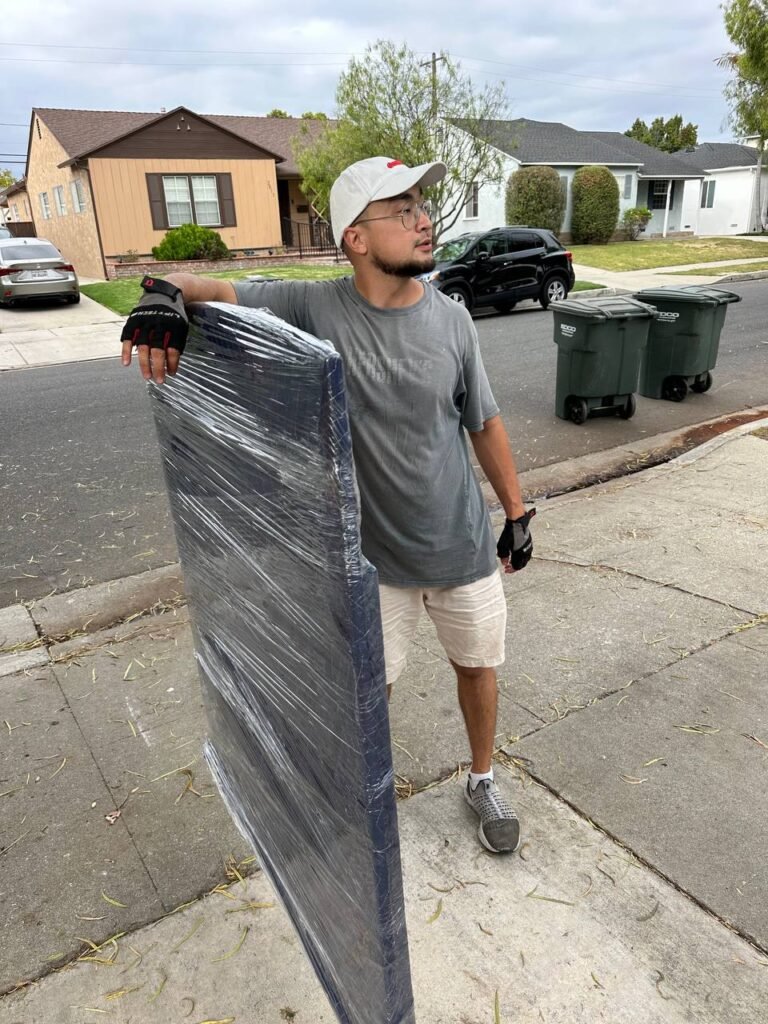
Walls can easily get marked, scraped or dented when large furniture pieces are maneuvered around corners. To prevent this, movers wrap bulky items such as dressers, tables, bed frames and appliances with thick moving blankets. These blankets create a soft barrier that absorbs impact if the item brushes against a wall.
Movers also use corner guards on high risk areas. These strong plastic or foam protectors are placed on outside corners to keep them safe from accidental hits. In hallways or staircases, additional padding may be taped to the wall to give movers more room to work without worrying about damage. Professional teams are trained to “lift and rotate” instead of dragging items, which reduces the risk of scratches and marks on painted surfaces.
Doorway and Frame Protection for Smooth Entry and Exit
Door frames take a lot of pressure during a move because every large object passes through them. To protect these tight spaces, movers use custom sized padded door jamb protectors. These pads attach to the sides of the frame and soften any accidental bumps as furniture moves through.
For narrow or older frames, crews may temporarily remove doors from their hinges to create more space and avoid friction. When using equipment like dollies or carts, movers maintain a controlled angle to keep wheels from hitting the frame. If an item is oversized, they measure the opening first, plan the route and adjust the angle of entry to avoid collisions.
Professional Techniques That Reduce Risk
Beyond protective materials, skilled movers rely on proven techniques. They map the route before lifting anything, identifying tight spots and creating a plan. Communication between team members is constant, so every movement is synchronized. Items are wrapped before leaving the room, not in the hallway, reducing the chance of accidental damage. Heavy objects are lifted by two or more movers to control the weight and direction.
The combination of planning, protective equipment and professional handling ensures that every surface stays safe from start to finish.
Final Thoughts
Damage prevention is a core part of quality moving service. From layered floor protection to padded walls and reinforced doorways, movers use specialized tools and techniques to safeguard your home. This attention to detail keeps the property in perfect condition and allows the entire move to run smoothly, safely and without stress for the homeowner.