

This DIY Moving Checklist Will Show You What You’re Up Against
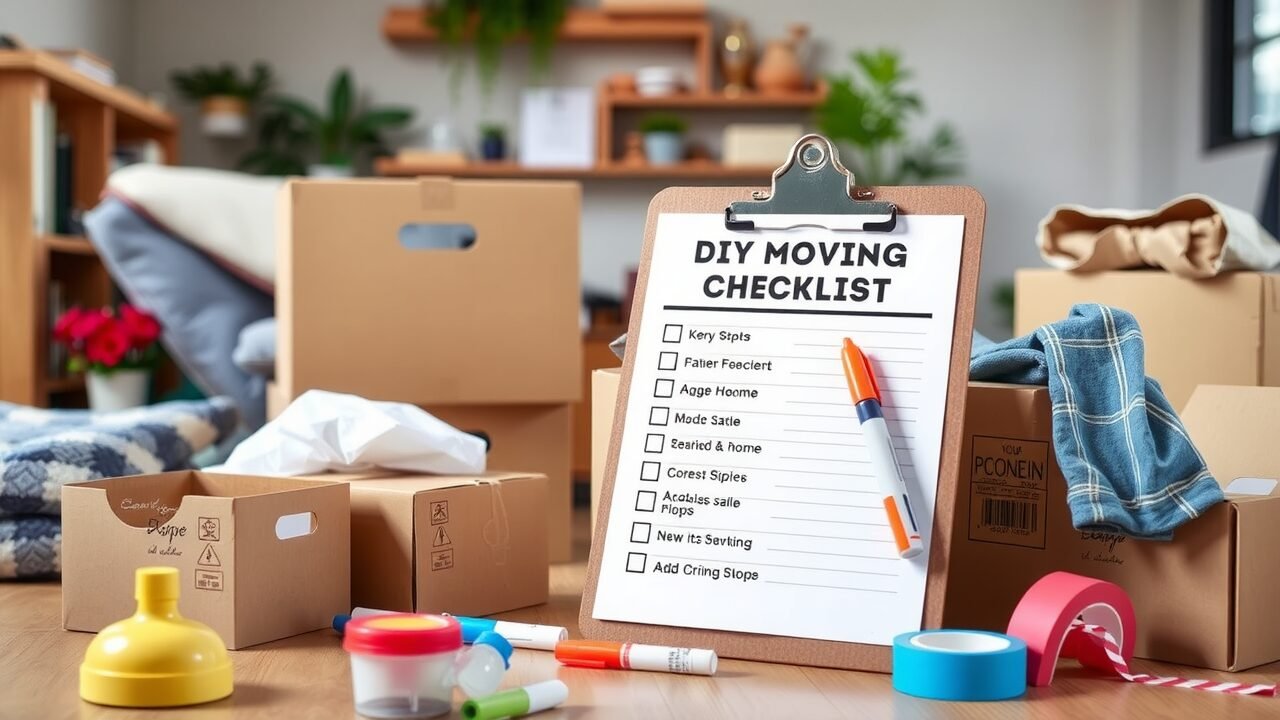
Moving without professional help might seem like a great way to save money — until you realize how many details, deadlines, and heavy boxes are involved. A do-it-yourself move requires planning, organization, and a lot of physical effort. This checklist will help you understand what you’re really up against and how to stay in control from start to finish.
1. Create a Timeline and Budget
Start by setting a realistic timeline. Ideally, you should begin planning your move six to eight weeks before moving day. Write down every task — from buying packing supplies to cleaning your old home — and assign deadlines.
Then, create a budget. Include truck rental, fuel, packing materials, tolls, and possible storage fees. A DIY move often seems cheaper, but hidden costs add up quickly, especially if you underestimate the number of trips or need extra help loading.
Checklist:
- Set your moving date
- Reserve a rental truck in advance
- Calculate fuel and mileage costs
- Include cleaning and repair expenses
2. Declutter and Organize
Before you start packing, reduce the load. Go through every room and sort items into three groups: keep, donate, or throw away. The less you move, the easier and cheaper the process becomes.
Organizing early also helps you understand how many boxes, bins, and packing materials you’ll need. Label boxes clearly by room and content — this will save hours of confusion later.
Checklist:
- Sort your belongings
- Donate or sell unwanted items
- Label boxes by room
- Keep important documents in a separate folder
3. Gather the Right Supplies
DIY moving means you’ll have to gather everything yourself. That includes boxes, bubble wrap, packing tape, furniture blankets, and tools for disassembling furniture. Don’t forget essentials like gloves and lifting straps to avoid injury.
Ask local stores for free boxes or check online marketplaces. Investing in proper materials now will prevent damage to your belongings later.
Checklist:
- Boxes (various sizes)
- Packing tape and markers
- Bubble wrap and blankets
- Furniture sliders and tools
4. Prepare Your Furniture and Appliances
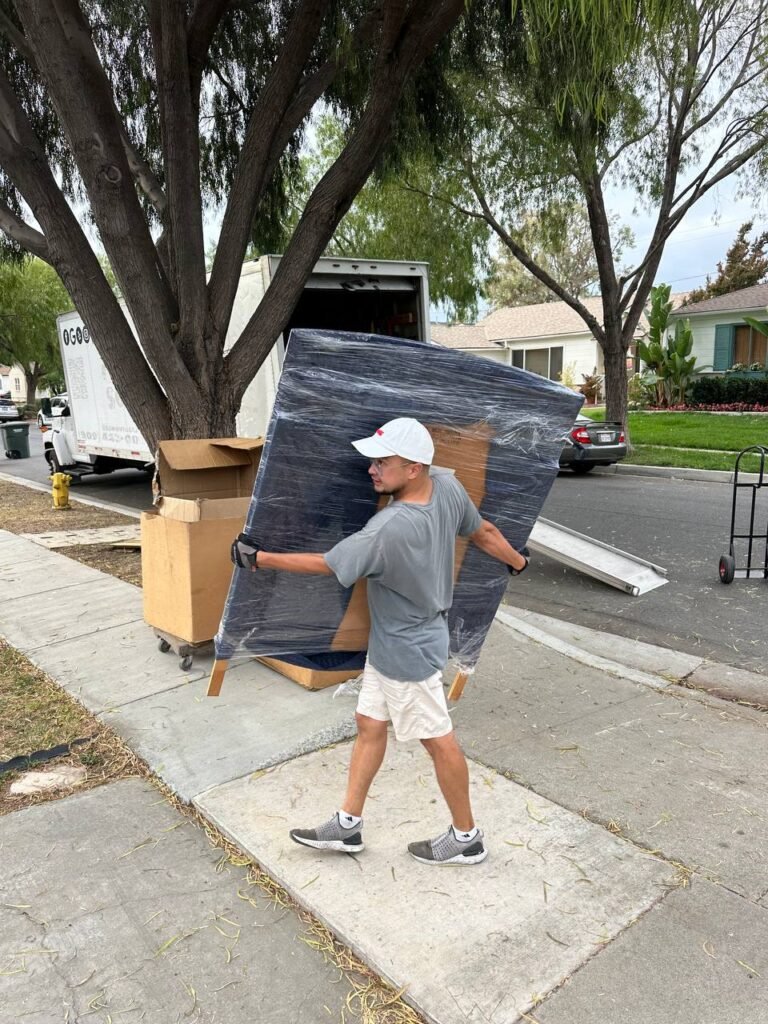
Take apart large furniture like beds, tables, and shelving units. Keep all screws and bolts in labeled plastic bags. Wrap furniture in blankets or shrink wrap to avoid scratches.
For appliances, disconnect them a day or two before the move. Empty and defrost your refrigerator, drain washing machines, and secure cords with tape. A few hours of preparation can save you costly repairs.
Checklist:
- Disassemble furniture
- Protect fragile surfaces
- Unplug and clean appliances
- Secure cords and screws
5. Load the Truck Efficiently
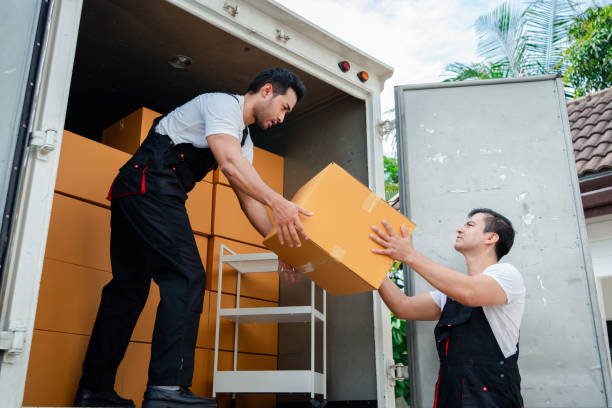
Loading a moving truck is like solving a giant 3D puzzle. Place the heaviest items first — refrigerators, couches, and boxes with books. Then add lighter boxes on top.
Distribute weight evenly and tie down bulky items to prevent movement during transport. Keep essential items like tools, cleaning supplies, and snacks accessible.
Checklist:
- Load heavy items first
- Distribute weight evenly
- Use straps to secure items
- Keep essentials near the door
6. Drive and Unload Carefully
If you’ve never driven a large vehicle before, take it slow. Plan your route in advance and avoid low bridges or narrow streets. Once you arrive, unload room by room to stay organized.
Take short breaks and stay hydrated — fatigue can cause accidents or damage. Even though it’s a DIY move, working methodically will make it smoother and safer.
Checklist:
- Review your route
- Drive cautiously
- Unload by room
- Inspect items for damage
7. Clean and Settle In
Once the boxes are inside, resist the urge to unpack everything immediately. Start by cleaning your new space while it’s still empty. Then, unpack essentials first: kitchen, bathroom, and bedding.
A slow, organized approach makes your new home feel welcoming faster — without the chaos of scattered boxes.
Checklist:
- Clean before unpacking
- Unpack essentials first
- Recycle boxes
- Update your address and utilities
Final Thoughts
Doing a move on your own is possible, but it’s a test of endurance and planning. A structured checklist keeps the process manageable and helps you stay focused under pressure. If at any point you feel overwhelmed, remember — professional movers like Comfy Moving can handle the heavy lifting for you while you enjoy a stress-free transition.
This DIY checklist isn’t just a to-do list — it’s a reminder that moving is a serious project. Preparation is your best tool, and a bit of help can make all the difference.